
27/February
Filtering The Posterity: Activated Carbon For Treating Water
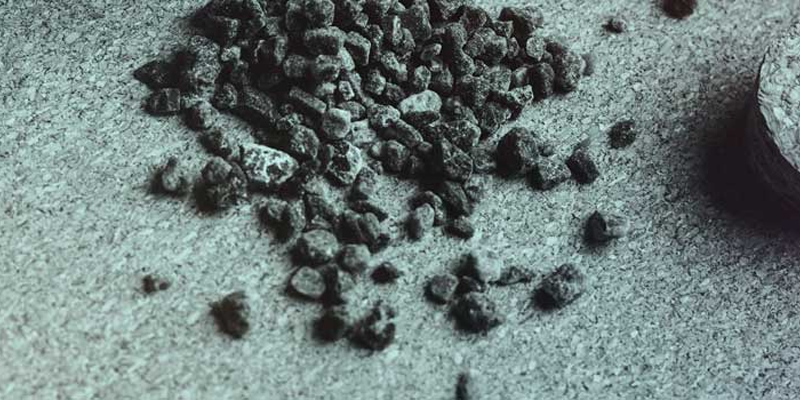
Water acts as a social attractant. It exerts a magnetic appeal to minerals, chemicals, and odours, and no one would like anything near a glass of drinking water. This is why engineers and water treatment specialists use activated carbon to purify water.
When industries and households refer to activated carbon on water, they tend to mean a filtration process that captures contaminants before they degrade water quality. Activated carbon is a sponge with millions of microscopic pores that entrap undesired materials.
We at Keiken Engineering thus incorporate activated carbon, which engineers utilize for water purification, industrial applications, and wastewater treatment. It purifies, enhances the flavour, and eliminates chemical accumulations in equipment.
We will discuss its working principle and the reasons water treatment experts believe in this method.
Which contaminants can activated carbon remove from water treatment systems?
Activated carbon glitters in regard to the removal of contaminants. The porous structure will absorb organic compounds and chemical pollutants, which are usually in the water supplies.
Activated carbon is a good choice in water treatment systems since it traps a wide range of unwanted substances, such as:
- Municipal water that has undergone treatment contains chlorine and chloramine
- Industrial chemicals: Volatile organic compounds (VOCs)
- Agricultural run-off pesticides and herbicides
- Unpleasant tastes and odours
- Some of the pharmaceutical scraps and organic pollution
These substances tend to absorb onto the carbon surface and stay there. The contaminants are not allowed to float about in your water supply, but remain entrained in the carbon structure.
Simply, activated carbon is like a bouncer in a nightclub. In case a contaminant attempts to enter the clean water party, the carbon displays its power respectfully, yet squarely.
What are the reasons to use activated carbon filters in water treatment plants?
The water treatment facility has a single objective that is to provide clean, safe water without unnecessary chemicals. Engineers usually prefer activated carbon filters because they can eliminate contaminants without complex machinery.
Activated carbon filters are useful in the treatment facilities:
- Enhance the flavour and smell of treated water
- Eliminate pollutants and chemicals of organic materials
- Minimise the amount of chlorine (following disinfection)
- Guard the lower-level filtration apparatus
- Improve the general water quality and purification
All these advantages justify why most municipal treatment plants have carbon filtration stages following the first purification stages. A carbon filter is used as a final polishing step to improve water quality before distribution.
The technology is simple and effective for the operators. Activated carbon does not require complex chemical tricks or sensational equipment improvements. It just works silently and entraps unwanted substances.
Frankly, water treatment experts would be pleased with equipment that acts like a steady, reliable employee rather than a melodramatic diva.
How can activated carbon drive industrial water purification?
The amount of water used by industries for manufacturing, cooling, and processing is enormous. Because water often contains chemicals, solvents, and organic substances, it needs to be removed before reuse or disposal.
Activated carbon helps purify industrial water by removing organic pollutants that conventional filtration systems cannot readily capture, thereby fostering industrial water purification.
Activated carbon within manufacturing, pharmaceutical, and food processing plants is effective in filtering water. The chemical residues undergo an absorption procedure onto the carbon, which helps to ensure stable water quality during production processes.
With clean water systems, industries avoid equipment fouling and corrosion. Clearly, purified water enhances product quality and reduces environmental impact. With Keiken Engineering, you can achieve the best water treatment solutions while meeting your delivery deadlines effectively. You can also review our customer satisfaction rates and NPS score to address your trust concerns.
What type of activated carbon suits best for wastewater treatment?
The wastes are treated using various types of carbon, depending on the contaminant. Activated carbon comes in particles of various sizes that engineers select based on the filtration needs.
Activated carbon in the process of utilisation through filtration columns in granular form, as it allows water to pass through while capturing organic contaminants. Activated carbon is used in powdered form in treatment tanks, where operators add it directly to contaminated water.
All the types of carbon have their benefits based on the treatment process and the types of contaminants. The engineers determine the water composition, the level of contamination, and the system design, and then choose a suitable carbon solution.
The correct carbon selection guarantees effective pollutant removal and smooth system operation.
When engineers make the right decisions, the wastewater system operates effectively and prevents such bad surprises during discharge monitoring. Besides activated carbon, if you are looking for other water filtration media, Zeolite is also an effective choice. To achieve an in-depth insight, you can thus also check out (How Zeolite helps With Water Treatment & Filtration).
What are the ways to improve water quality in industrial processes?
Production in the industrial facilities relies on the quality of the water supply. Activated carbon is essential to maintain high quality across various stages of the process.
Respective carbon filtration in industrial systems helps remove residual chemicals while delivering clarity and stability to the water composition.
Activated carbon will remove core impurities that can distort the manufacturing machinery. It will further assist industries in complying with ecological discharge requirements while operating efficiently.
The Bottom Line
The treatment of water requires solutions that ensure consistent results. The use of activated carbon in water filtration has remained one of the most reliable technologies for eliminating chemical pollutants, enhancing water palatability, and supporting industrial processes.
Activated carbon is also present in municipal water treatment plants and large-scale manufacturing facilities to ensure that engineers have access to safe, clean water.
It is a highly adsorptive material necessitating its inclusion in the contemporary filtration processes. For removing chlorine, capturing organic compounds, polishing the quality of industrial water, and so on, activated carbon remains useful. We at Keiken Engineering, through our innovative water-filtering solution, stand ready to enhance purity and deliver clean water. Without further ado, contact us immediately to avail our services. Result? Activated carbon has millions of microscopic pores, while water requires a cleaning crew to work.
FAQs
1. How does activated carbon eliminate contaminants in water?
Activated carbon binds pollutants via absorption; pollutants get absorbed onto its porous surface.
2. Does carbon (activated) enhance water taste and odour?
Yes. Activated carbon also removes chlorine and organic substances that make the drink bitter and unpleasant to taste.
3. Are there industries that use activated carbon in their water treatment?
Yes. Activated carbon is used in many industries to enhance water purification, including manufacturing and wastewater treatment.