
12/February
How Can Energy Efficiency Benefit Your Business
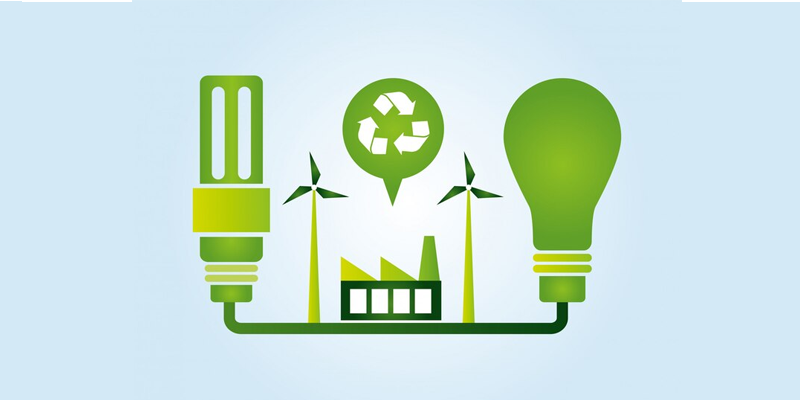
Did you know that industrial Operations emit around 24% of global greenhouse gases? It's as much as the world's transportation sector. Not to forget, the transportation factor is not limited to automobiles but also planes, ships, and trains! Due to this, you must hear what the solutions to your operational and sustainability problems are in energy-saving initiatives and net-zero upgrades. Although it is true, it is not a quick fix. In this blog, we will discuss energy efficiency for industry and what benefits it brings.
What is Energy Efficiency for Industry?
Energy efficiency is achieved by achieving the highest results in any activity while using the least amount of energy resources. It helps you to reduce the consumption of all types of energy, allowing you to have as little impact on the environment as possible. This applies to everything from production to consumption in the industry. With energy efficiency, you can maintain the same operating efficiency but incorporate responsible habits and sustainable management models.
What are the Benefits of Energy Efficiency?
Energy Efficiency for industry is important for reducing energy consumption without sacrificing performance and comfort. This way, you can be more sustainable by cutting down on CO2 emissions and the rest of the greenhouse gases into the atmosphere. Let’s have a look at the long-term advantages of energy efficiency in industrial operations:
Incorporated Carbon Reduction
During the design/build phase, you have the best chance to make an energy-efficient decision. Yes, during the construction process. The carbon emissions are due to the construction process, manufacturing, material transportation, etc. It's a fact that 80% of the building's emissions are already trapped in it by the time the construction is over.
Hence, you should make design-build decisions early on that incorporate low-carbon technologies and energy-efficient goods. You can prepare a sustainable operation model by focusing on both electrical distribution and embedded carbon reduction. In addition to addressing immediate energy demand, this strategic approach permanently reduces carbon footprints.
Operations and Energy Management
You can improve your decarbonization and energy efficiency plans by focusing on operational expenses (OpEx). Supervisory Control and Data Acquisition (SCADA) and Energy and Power Management Systems (EPMS) provide your business with immediate access to energy usage information. This way, it becomes easy for you to manage demand peaks, optimize procurement plans, and make quick adjustments.
Additionally, these systems can help you focus investments on areas that will have the most effects. This includes rerouting energy demand to off-peak hours or incorporating renewable energy sources during periods of high tariffs. EPMS and SCADA can give you information that can help you decide when to use or decrease energy-intensive processes. This means lower emissions and consistency with grid optimization techniques.
Efficiency and Power Quality
The health of an electrical infrastructure is gauged by power quality and power factor. Both have an impact on the equipment's longevity and performance. Voltage sags, surges, and harmonic distortion are examples of poor power quality that can interfere with your operations and harm delicate equipment. In a similar vein, a low power factor uses more electricity from the grid than is actually consumed. This results in increased strain on the power system, higher electricity bills, and frequently costly power factor fees from electric providers.
Predictive Maintenance
Energy efficiency leads to adopting more advanced maintenance procedures. Cutting-edge systems can forecast when a machine will need repair. You can prevent minor problems from becoming large ones, maintain uninterrupted operations, and ultimately save money by investing in the electrical health of operations. Your workplace will become more efficient, seamless, and productive. Finally, by optimizing maintenance schedules, predictive maintenance made possible by energy management systems can further increase equipment longevity and operating efficiency.
Wrapping Up
Energy efficiency's advantages, particularly in the industrial sector, include long-term, consistent benefits and a change in company culture. These initiatives are strategic imperatives that provide value and promote innovation, resilience, and competitive advantage with operational and sustainability benefits. If you have any queries about energy efficiency for industry, then feel free to contact +34 910 577 254.