
28/January
Can A Polyelectrolyte Preparation Unit Handle Both Powder And Liquid Polyelectrolytes
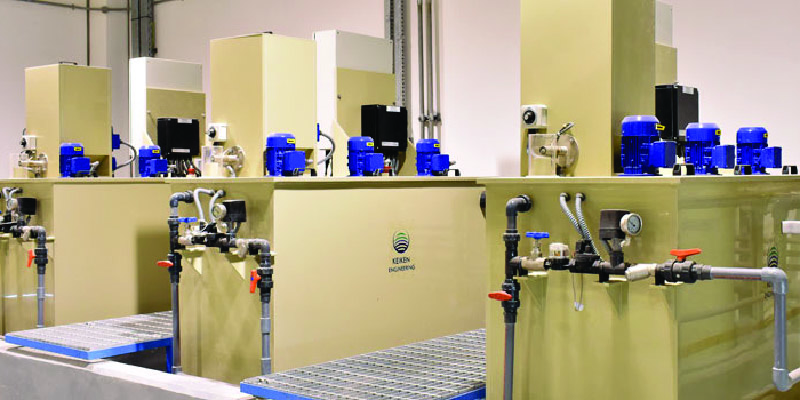
Polyelectrolytes don’t get much credit, but they do the heavy lifting in water and wastewater treatment. They make particles clump, water clear, and sludge easier to handle—basically keeping the plant running without drama.
If you’ve been around a plant for a while, you’ve probably asked yourself: “Can one polymer preparation unit (PPU) really handle both powder and liquid polymers?” The short answer: yes. The long answer: it depends on how you run it.
Pay attention to mixing, temperature, pH, foam—and a single PPU can deliver a consistent polymer solution, save space, reduce labor, and make life a lot easier. It’s not just equipment— the polyelectrolyte preparation unit is the backbone of smooth, reliable operations.
What is the Optimal Mixing Time for Polyelectrolytes in a PPU?
Mixing isn’t just about stirring—it’s everything. Mix too little and the powder stays clumpy. Mix too long and you shear the polymer chains, making them ineffective.
- Powder Polymers: Usually 30–90 minutes. Start slow so the granules don’t clump, then let the solution “mature” so the chains fully hydrate. Think of it like letting pasta cook perfectly—you can’t rush it.
- Liquid Polymers: About 15–30 minutes. They’re already dissolved, but they still need gentle mixing so the chains don’t break.
Multi-stage tanks help a lot. One tank dissolves, another matures, a third transfers. You’re not stuck watching a single tank, guessing when it’s done—the polymer solution just comes out right.
Also read- How Polyelectrolytes Improve Wastewater Treatment Efficiency
How Do Temperature and pH Affect Polyelectrolyte Dissolution?
Temperature and pH are sneaky little things that can make or break your polymer performance. Ignore them, and suddenly your flocculation slows down, you overdose, and waste chemicals.
- Temperature: Warm water hydrates polymers faster. Too hot, and chains break. Too cold, and it takes forever.
- pH: Most polymers like neutral to slightly alkaline water, around 7–10. Outside that range, they just don’t perform as well.
The good news: modern PPUs often have sensors that monitor these in real time. No more guessing, stirring, or constantly checking with a thermometer and a pH strip. Everything stays in the sweet spot.
Can PPUs Be Automated for Continuous Dosing in Wastewater Treatment Plants?
Automation is a lifesaver. A smart PPU can feed itself, mix itself, and dose itself, freeing you up for the other chaos that comes with running a plant.
- Screw feeders for powders, pumps for liquids.
- Sensors track tank levels and solution strength in real time.
- Adjusts polymer flow based on plant load.
- You’re not stuck mixing tanks all day.
With automation, your polymer solution is steady, dosing is accurate, and mistakes drop to almost zero. It’s like having a coworker who never calls in sick.
How Do You Prevent Foam Formation During Polyelectrolyte Preparation?
Foam is one of those sneaky problems that always shows up at the worst time. Too much foam can overflow tanks, throw off concentrations, and mess with dosing. Luckily, the fix is simple:
- Mix slowly—don’t whip air into the solution.
- Pre-wet powders before adding them to the tank.
- Multi-stage tanks help air escape naturally.
- Anti-foam agents are handy for very thick polymers.
When foam is under control, everything is smooth and predictable. No constant wiping, no guesswork. The polymer solution is ready when you are.
Why Can a Single PPU Handle Both Powder and Liquid Polymers?
Here’s the truth: powders and liquids don’t need separate systems anymore. Modern PPUs are flexible, reliable, and smart enough to handle both.
- Adjustable feeders and pumps let you switch forms easily.
- Variable-speed agitators give the right mixing for each polymer type.
- Multi-stage tanks make sure dissolution, maturation, and transfer happen correctly.
- Automation keeps flow and dosing consistent batch after batch.
A single unit can replace multiple older systems, save space, reduce maintenance, and give you confidence that the polymer solution is always ready when you need it.
What’s an Operator Experience With PPU ?
If you’ve been in a plant, you know theory only goes so far. Powder can clump if it’s a little old, cold water slows hydration in winter, and foam can suddenly appear when you least expect it. That’s why flexibility, sensors, and automation matter.
When a PPU can switch between powders and liquids, maintain temperature and pH, and control foam automatically, life gets a lot easier. You don’t just get good polymer performance—you get peace of mind, and in a plant, peace of mind is priceless.
The bottom line
A well-designed polyelectrolyte preparation unit can handle both powder and liquid polymers without stress. With the right mixing, temperature and pH control, foam management, and smart automation, one PPU keeps your solution smooth, consistent, and ready to perform. It makes operations simpler, reduces headaches, and keeps the plant running efficiently. For operators who want a system that just works, contact Keiken Engineering to make your PPU run like it should.
FAQs
1. Can one PPU handle both powder and liquid polymers?
Absolutely! One PPU can handle both powders and liquids, giving you a smooth, ready-to-use polymer solution without extra equipment.
2. How long should polymers be mixed?
Powders need 30–90 minutes. Liquids just 15–30. Mix gently so the polymers stay effective.
3. Why do temperature and pH matter?
Polymers love warm, slightly alkaline water (pH 7–10). Get it wrong, and flocculation slows down.
4. How can I prevent foam?
Go slow, pre-wet powders, and let the tanks do their thing. For thicker solutions, a little anti-foam helps.
5. Can PPUs be automated for dosing?
Yes! Smart PPUs feed, mix, and dose themselves, keeping your polymer solution consistent and your plant running smoothly.